
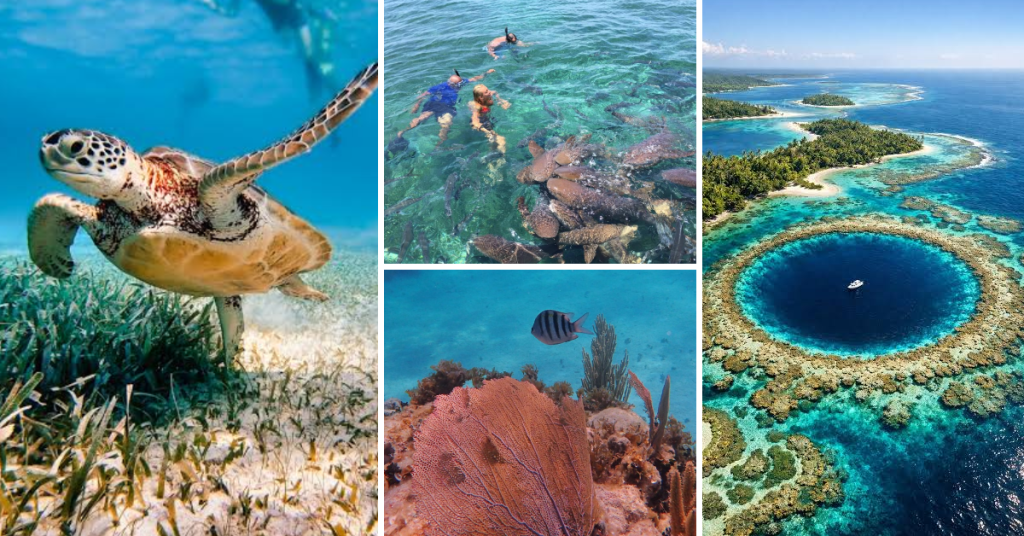
If you are planning a vacation in San Pedro, Ambergris Caye, the Belize Barrier Reef is one of the most important natural attractions to understand before you arrive. The reef offers opportunities to snorkel, scuba dive, explore marine life, and experience the Caribbean waters that make this part of Belize so special.
The Belize Barrier Reef is a vast marine ecosystem along Belize’s Caribbean coast, featuring coral formations, shallow reef areas, mangroves, seagrass beds, and diverse marine life. From San Pedro, visitors can arrange boat trips to nearby reef sites and protected marine areas, making it possible to experience this underwater environment without traveling far from the island.
Whether you are visiting Belize for the first time or returning for another island vacation, understanding the reef can help you choose activities that suit your interests, experience level, and schedule.
What Is the Belize Barrier Reef?
The Belize Barrier Reef is part of the Belize Barrier Reef Reserve System, a collection of protected marine and coastal areas recognized as a UNESCO World Heritage Site in 1996. It forms part of the larger Mesoamerican Reef system and supports a rich variety of marine habitats and wildlife. UNESCO
A reef is more than a line of coral beneath the water. The broader ecosystem includes coral formations, sandy cayes, mangrove forests, coastal lagoons, and seagrass habitats. These environments support marine species at different stages of their lives and help maintain the ecological balance of Belize’s coastal waters.
For travelers, this means the reef is not a single attraction or one specific snorkeling location. It is a connected natural environment with different places to explore, each offering a different experience.
What Is the Reef Like Near San Pedro, Ambergris Caye?
San Pedro sits on Ambergris Caye, an island located close to the Belize Barrier Reef. Its location makes the town a convenient starting point for many reef excursions.
The experience depends on where you go and the conditions on the day. Some trips focus on relatively shallow snorkeling areas, while others involve more time on the boat, deeper water, or scuba diving with trained professionals.
Here is what visitors may experience:
- Clear tropical water: Visibility can be excellent, but it changes with wind, waves, rainfall, and other local conditions.
- Coral formations: Different reef areas contain varied coral structures and habitats.
- Colorful fish: Depending on the site and conditions, snorkelers and divers may see schools of fish and other reef animals.
- Marine wildlife: Rays, turtles, nurse sharks, and other species may be encountered in appropriate habitats, but sightings are never guaranteed.
- A boat-based adventure: Many reef experiences begin with a boat ride from San Pedro, offering views of the island and surrounding Caribbean waters.
The reef is a natural environment rather than an aquarium. Wildlife moves freely, and no two trips are exactly alike.
Which Reef Sites Can You Visit From San Pedro?
Several marine destinations are associated with reef trips from San Pedro. The right choice depends on your interests, swimming confidence, available time, and the excursion being offered.
Hol Chan Marine Reserve
Hol Chan Marine Reserve is a well-known protected marine area south of San Pedro. Its name comes from a Maya phrase commonly translated as “little channel,” referring to a natural break in the reef.
The reserve is popular for snorkeling and diving experiences, with opportunities to observe coral habitats and marine life. Tours may combine Hol Chan with nearby snorkeling locations, depending on the operator, itinerary, and conditions.
It can be a good option for visitors who want to experience Belize’s underwater environment without committing to a full-day offshore adventure.
Shark Ray Alley
Shark Ray Alley is commonly included in excursions that visit the Hol Chan area. Visitors may have the opportunity to see nurse sharks and rays in the water.
Despite its name, it is important to remember that these are wild animals. Follow your guide’s instructions, avoid touching or chasing marine life, and never assume a sighting is guaranteed.
If seeing marine wildlife is high on your vacation wish list, ask your tour provider what the trip includes and how the experience is conducted responsibly.
Mexico Rocks
Mexico Rocks is another reef area north of San Pedro, known for its shallow coral formations. Depending on conditions and the exact route, it may suit travelers interested in observing reef structures and smaller marine creatures.
It is worth comparing this option with other snorkeling trips rather than choosing solely by the name of the destination. Ask about travel time, water depth, the type of reef habitat visited, and whether the excursion is suitable for your swimming ability.
The Great Blue Hole
The Great Blue Hole is a very different experience from a short reef snorkeling trip near San Pedro. It is a large marine sinkhole associated with Lighthouse Reef Atoll, farther offshore.
Depending on the tour, visiting the Blue Hole may involve a longer boat excursion or a scenic flight. Diving the site is not the same as snorkeling a shallow reef, so travelers should check the itinerary, eligibility requirements, and expected duration carefully.
If you have limited time on Ambergris Caye, compare the travel commitment with nearby reef excursions before making a decision.
Can Beginners Enjoy the Belize Barrier Reef?
Yes. Beginners can enjoy reef experiences by choosing an activity that matches their comfort in the water. A guided snorkeling trip may be a suitable introduction for someone who can swim and is comfortable using a mask and snorkel. However, not every tour is appropriate for every traveler. Water depth, currents, boat access, weather, and physical requirements can vary.
Before booking, ask:
- Is the trip suitable for first-time snorkelers?
- Are life jackets or flotation devices available?
- Is snorkeling equipment included?
- How long will guests spend in the water?
- Is there assistance for people who feel nervous in open water?
- What happens if sea conditions change?
If you do not swim confidently, tell the operator before booking. You can ask about flotation support, alternative activities, or whether a particular trip is appropriate for you. Never feel pressured to enter the water if you are uncomfortable.
What Is the Best Time to Visit the Reef?
Reef trips operate around weather and sea conditions, so there is no single day or month that guarantees perfect snorkeling. Wind, rain, waves, visibility, and seasonal weather patterns can all affect the experience. A sunny morning does not automatically mean conditions offshore will be ideal, and forecasts can change.
For the best chance of a comfortable trip, consider these practical steps:
- Check the local forecast before your planned excursion.
- Ask your tour provider about expected sea conditions.
- Leave some flexibility in your itinerary in case a trip needs to be rescheduled.
- Consider booking a reef activity early enough in your vacation to allow for a backup day.
- Confirm the operator’s cancellation and weather policies before paying.
Your tour provider can give you the most relevant advice about current conditions and the specific route planned for your excursion.
How to Protect the Reef During Your Visit
The Belize Barrier Reef is an important natural and economic resource, but coral ecosystems can be damaged by careless behavior and environmental pressures. Responsible visitors can help reduce their impact by following a few simple rules.
- Never stand on, kick, or touch coral.
- Keep your fins away from the reef when swimming.
- Do not chase, handle, or feed marine wildlife.
- Use reef-conscious sun protection and follow local guidance about permitted products.
- Take all rubbish back with you.
- Listen to your guide’s safety and conservation instructions.
- Choose operators who explain responsible wildlife viewing and reef etiquette.
Remember that coral is a living organism. Even brief contact can cause damage, so maintain a safe distance and observe without interfering.
Planning a Reef Excursion From San Pedro
A little planning can help you choose an experience that fits your Belize vacation. Start by deciding what interests you most: snorkeling, scuba diving, observing marine life, or visiting a more distant destination. Then compare the duration, departure arrangements, included equipment, group size, and physical requirements of available trips.
If you are traveling with children, ask about minimum ages, life jackets, shade, and how much time the tour spends in the water. Couples and small groups may want to compare shared and private excursions, while short-stay visitors should consider how a boat trip fits around arrival and departure times.
At Tourist Point, you can explore options for San Pedro tours and water activities as part of planning your island stay. Before confirming any excursion, verify the current itinerary, price, inclusions, departure time, and weather policy with the provider.
Ready to experience the reef? Explore our available snorkeling and reef excursion tours, compare the options that fit your plans, and choose an experience that matches your interests and comfort level.
Frequently Asked Questions
Is the Belize Barrier Reef close to San Pedro?
Yes. Ambergris Caye is located near the Belize Barrier Reef, and San Pedro is a common departure point for boat trips to nearby reef and marine reserve locations. Actual travel time depends on the destination, route, and sea conditions.
Can you snorkel directly from San Pedro town?
Some reef experiences require a boat ride from San Pedro rather than entering the water directly from town. Ask your tour provider where the excursion departs from and which snorkeling sites are included.
What marine animals can you see near San Pedro?
Depending on the location and conditions, visitors may encounter tropical fish, rays, nurse sharks, sea turtles, and other marine life. Wildlife sightings are not guaranteed, and visitors should observe animals without touching or disturbing them.
Is the Belize Barrier Reef suitable for children?
Some guided snorkeling trips may be suitable for children, but requirements vary by operator and destination. Confirm age limits, swimming expectations, flotation equipment, and safety arrangements before booking.
Do you need to be a strong swimmer to snorkel in Belize?
Swimming ability and comfort in open water matter. Beginners should explain their experience level to the operator and ask about flotation devices and beginner-friendly options. If you are not comfortable in the water, consider an alternative activity rather than taking an unnecessary risk.